What we do
Each thematic area under ICD contributes to the overall goal of “Life Transformation” — empowering individuals and communities to break cycles of poverty through innovation, education, and sustainable livelihoods.
What we do
ICD works across five integrated thematic areas to strengthen household resilience and community wellbeing: Food Security & Livelihoods; Education; Health & Nutrition; Protection & Humanitarian Aid; Shelter & Non-Food Items (NFI). Our approach blends a model learning farm, community training, direct service delivery (e.g., nutrition & distribution), and savings & enterprise support to turn short-term assistance into lasting independence
Food Security and Livelihoods
ICD prioritizes food security and sustainable livelihoods as the foundation for self-reliant communities. We work with local farmers to enhance agricultural production, diversify income sources, and improve market access through modern and climate-smart practices
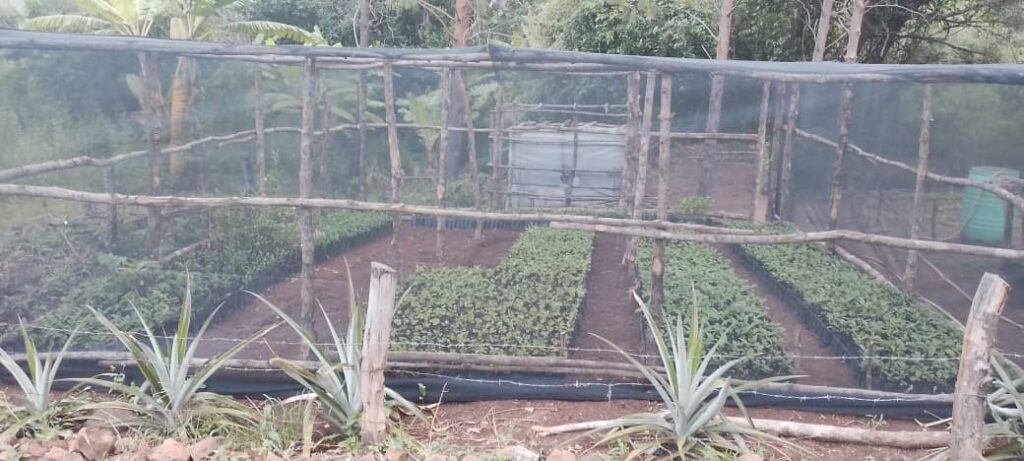
Establishment of Model Farm
ICD has established a model farm that serves as a training and demonstration centre where farmers learn practical skills in modern agriculture and agribusiness management.
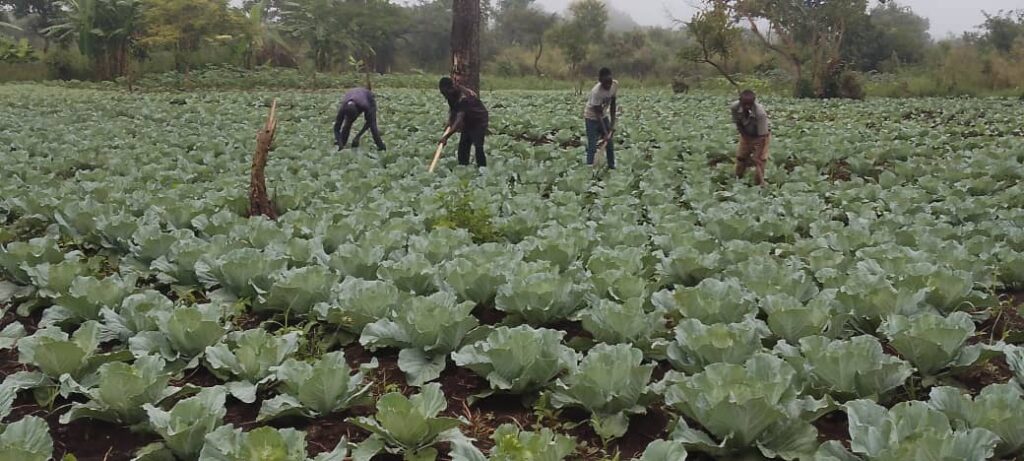
Field Crops Development
ICD supports smallholder farmers to enhance productivity and increase yields through technical guidance, access to farm inputs, and extension services.
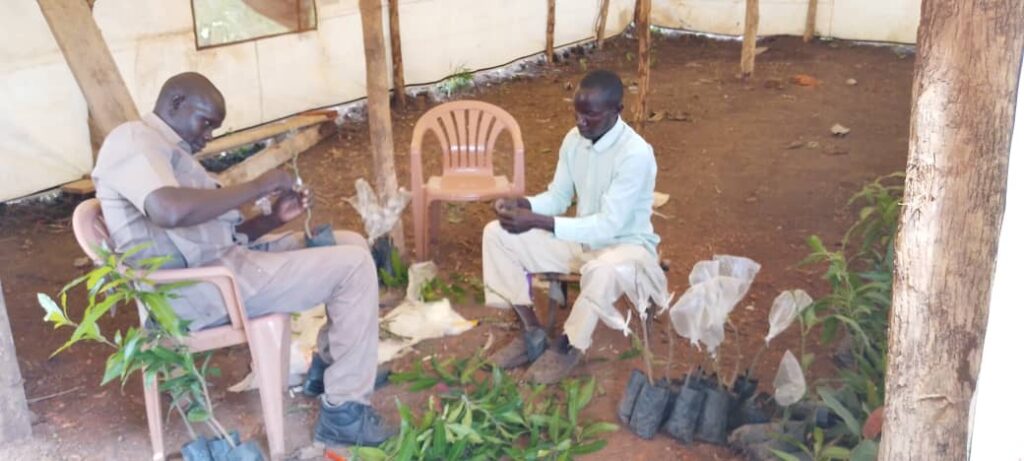
Agroforestry
ICD integrates tree planting and forest conservation into agricultural practices to mitigate climate change and restore degraded ecosystems
Aquaculture
To combat malnutrition and create new sources of income, ICD promotes aquaculture as a viable livelihood activity.
Apiary Development
Beekeeping offers both income and ecological benefits. ICD supports communities to engage in apiary projects for sustainable livelihoods.
Education and Skills Development
Education remains a key pillar of ICD’s community empowerment strategy. The organization believes that sustainable development starts with an informed and skilled population. ICD focuses on improving access to education, supporting school infrastructure, and promoting inclusive learning opportunities for children, youth, and women.
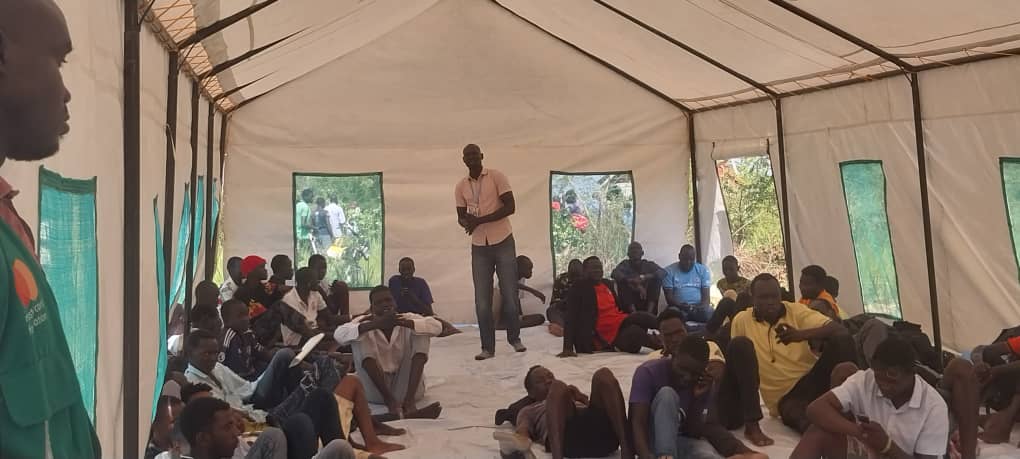
Renovation of Schools
Rehabilitating learning facilities to create safe, conducive environments for students and teachers.
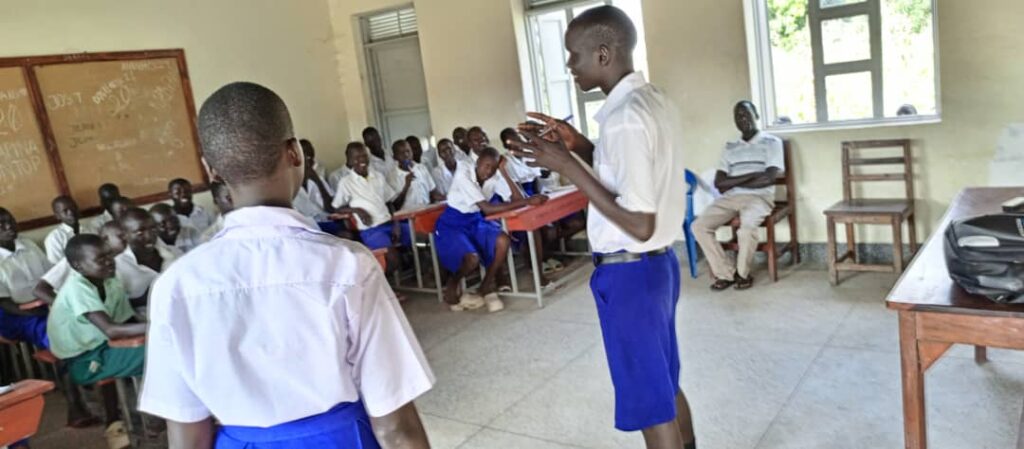
Distribution of Scholastic Materials:
Providing essential learning supplies such as books, pens, and uniforms to reduce the financial burden on vulnerable families.
Promotion of Girl Child Education:
Conducting awareness campaigns and community dialogues to encourage girls to stay in school.
Skills Training
Offering vocational and technical skills development programs to empower youth and women for self-employment.
Advocacy against Harmful Practices:
Raising awareness on the effects of early marriage, child labor, and gender-based violence (GBV).
Health and Nutrition
ICD supports community health systems through awareness, preventive care, and nutrition support for vulnerable populations. The organization integrates health promotion into its livelihood and protection initiatives to ensure holistic wellbeing.
Community Awareness:
Conducting education campaigns on hygiene, disease prevention, and nutrition.
Health Surveillance:
Monitoring health and nutrition trends to identify and address community needs
Distribution of Nutrition Items:
Providing nutritional supplements for malnourished children, pregnant women, and lactating mothers.
Maternal and Child Health
Promoting key child survival strategies (GOBI-FF – Growth monitoring, Oral rehydration, Breastfeeding, Immunization, Family planning, and Female education).
Shelter and Non-Food Items (NFI)
ICD extends humanitarian assistance to vulnerable families affected by displacement, disaster, or poverty. The Shelter and NFI program ensures that affected populations can live with dignity and basic comfort during times of crisis.
Distribution of Non-Food Items:
Providing essential items such as blankets, mats, kitchen sets, and clothing to displaced and vulnerable households.
Shelter Support:
Assisting communities to construct or rehabilitate temporary shelters using locally available materials.
Awareness and Sensitization:
Conducting community awareness on safe shelter practices, disaster preparedness, and household protection measures.
Emergency Response:
Supporting rapid response interventions in coordination with local authorities and humanitarian partners

365
School Puplis Supported

200+
Farmers Trained

33
Shelters Support

1000
Trees Supplied
Cross-cutting principles.
All ICD programs integrate cross-cutting principles of gender equality, environmental sustainability, inclusion, and community participation.
Through these approaches, ICD ensures that every intervention promotes dignity, resilience, and long-term impact.
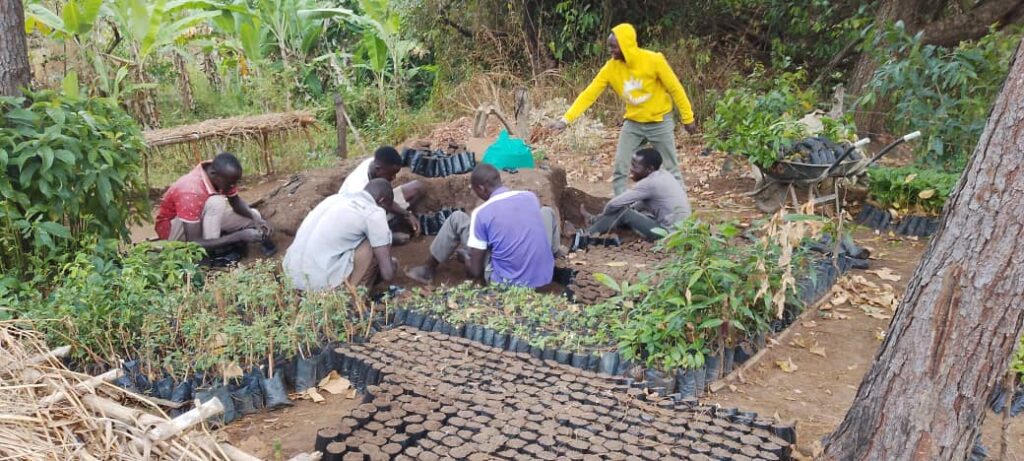
Join Us
To Empowering farmers, youth, and women in Morobo County through sustainable agriculture, education, and livelihood development
🌍 Contact Us today!

Support Us
Together, We Can Transform Lives and Build Resilient Communities
Innovations for Community Development (ICD) is committed to empowering vulnerable communities in Morobo County and across South Sudan. We work every day to strengthen food security, enhance livelihoods, promote education, improve health, and restore hope for people affected by poverty, displacement, and conflict.
Your support enables us to reach more families, equip more farmers, and protect more children, women, and youth who deserve a dignified and prosperous future.
Donate
Contact Us
“Your support is not just a contribution — it is an investment in resilience, innovation, and human dignity.”
We believe that every person deserves the opportunity to thrive. With your partnership, ICD can continue building a stronger, healthier, and more empowered South Sudan.